
Tesla Roadster 2: The Flying Electric Supercar That Just Took the Internet by Storm
Discover the groundbreaking Tesla Roadster 2 with SpaceX thrusters that can fly and accelerate 0-60 in under a second. An inside look at the technology, software challenges, and implications for the future of automotive innovation.
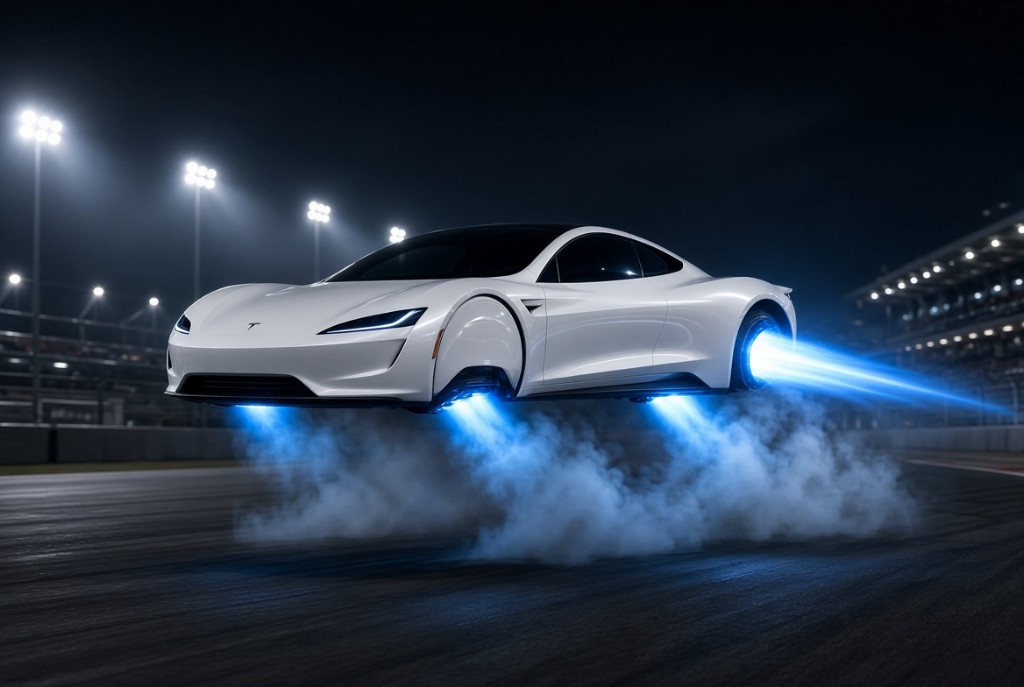
If you've checked Google Trends in the last 48 hours, you've seen it: "Tesla Roadster" and "Tesla flying car" exploding across search rankings with millions of queries. On October 15, 2026, Elon Musk and the Tesla team finally pulled the curtain back on the long-awaited second-generation Roadster at a SpaceX facility in Texas — and it didn't just drive. It flew.
After nearly a decade of delays since the original 2017 concept, the Roadster 2 has arrived as something far more ambitious than a faster sports car. This is a vehicle that blurs the line between automobile and aerospace technology, representing one of the most significant moments in modern automotive engineering. It is not just a car reveal, but a masterclass in what happens when software, hardware, and physics collide at the absolute edge.
What Exactly Happened at the Roadster 2 Reveal?
The demonstration was pure spectacle. The white, angular Roadster drove up a steep inverted ramp, used a combination of high-powered fans and thrusters to stick to the surface, then launched itself into the air. It flipped, hovered, and soft-landed — all while Musk described it as "the best of the last of the human-driven cars."
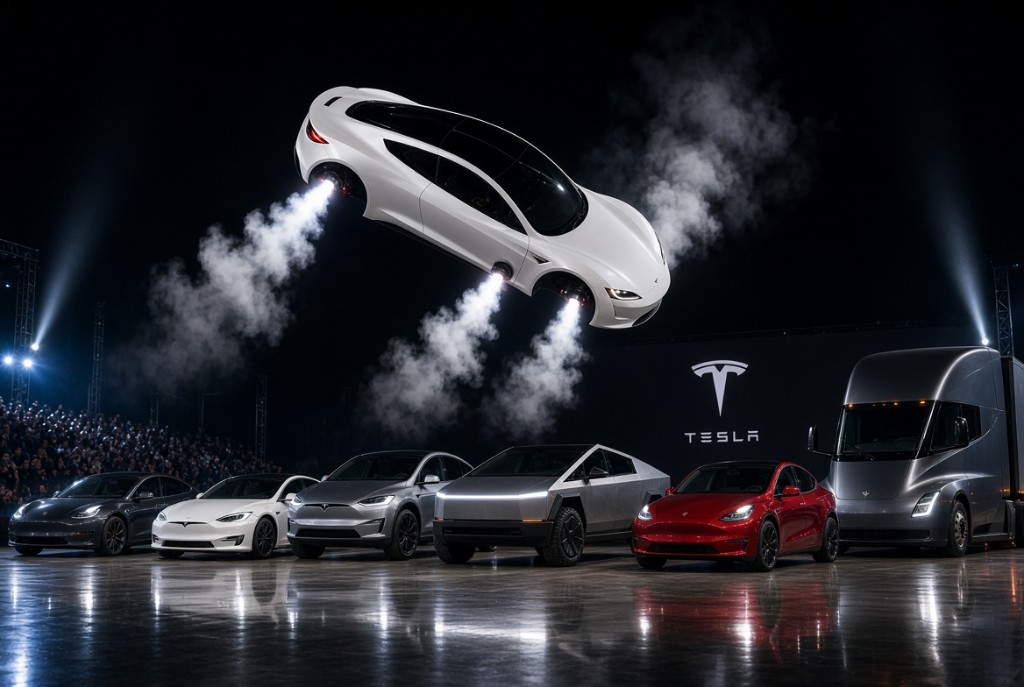
Three variants were announced:
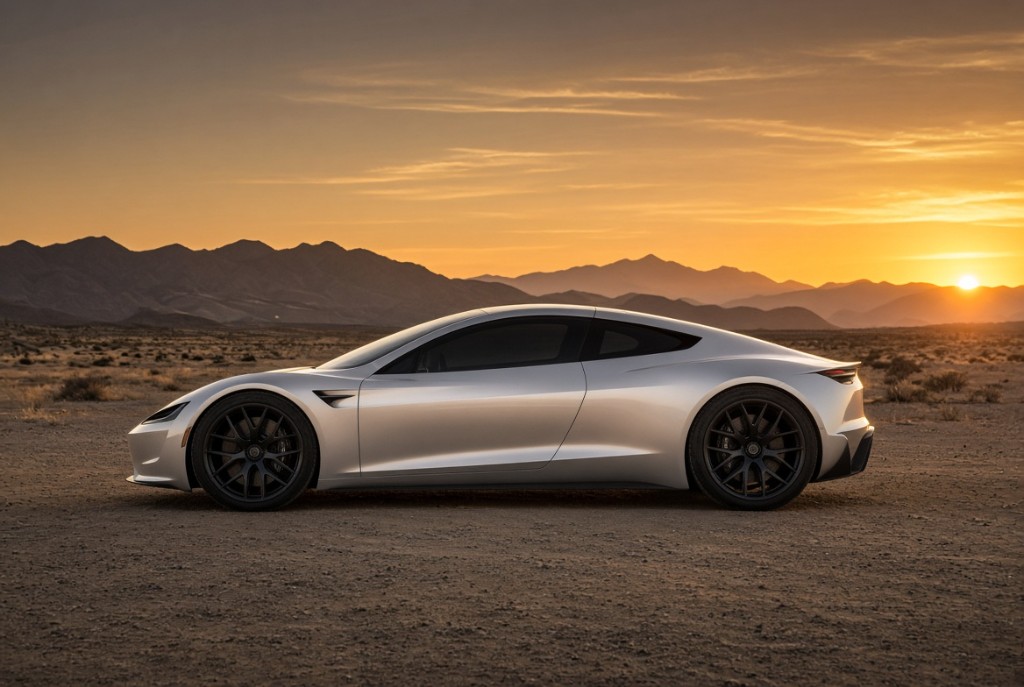
- Performance: Road-ready, two seats, active aerodynamics, multi-mode suction system. Reservations from $50,000.
- Thrust: Race-ready with rear cold-gas thrusters for sub-1-second 0-60 mph acceleration.
- Rocket: Air-ready, single seat, ten thrusters around the vehicle. Invite-only.
All promise over 300 miles of range and top speeds exceeding 230 mph. Production is targeted for 2028. The flying capability, however, is currently limited to the Rocket variant and is not approved for public roads.
The Technology Behind the Thrusters: Software Meets Rocket Science
This is where things get fascinating from an engineering perspective. The Roadster's "flight" isn't magic — it's precise control systems managing cold-gas thrusters (the same technology SpaceX uses for rocket attitude control) combined with a powerful multi-mode suction system that can generate up to 2G of downforce.
From a software engineering standpoint, the challenges are immense:
- Real-time control systems: Managing multiple thrusters with millisecond precision while the vehicle is in motion requires the kind of deterministic, safety-critical software typically reserved for aerospace and industrial robotics.
- Sensor fusion and state estimation: The vehicle must constantly know its exact attitude, velocity, and thruster status.
- Fail-safe architecture: When mixing rocket technology with a road car, hardware and software redundancy isn't optional.
- Human-machine interface: The driver (or pilot) needs intuitive controls for a vehicle that can both drive and briefly fly.
Why This Matters Beyond the Hype
Critics have rightly pointed out that the flying demo is more stunt than street-legal product, and that production is still two years away. Range estimates have been dialed back from earlier claims, and pricing remains unclear. Yet the technology demonstration is real, and the collaboration between Tesla and SpaceX is concrete.
For anyone following the automotive, aerospace, or embedded systems space, this is a major signal. The boundary between these industries is dissolving. Vehicles are becoming software platforms first, and the complexity of the software stack is growing exponentially.
The Road Ahead
The Tesla Roadster 2 is currently the hottest topic for a reason. It captures the imagination while showcasing real engineering progress. Whether the flying features ever become practical for everyday use remains to be seen, but the underlying technology — and the software that makes it possible — is already shaping the next decade of mobility.
One thing is certain: the cars of tomorrow will be defined as much by their code as by their hardware.
What do you think about the Tesla Roadster 2? Is a thruster-powered electric supercar the future of mobility, or pure theater?